This piece was originally written as journal response to following prompt about Were You There arranged by Norman Luboff.
“The spiritual asks directly: ‘Were you there when they crucified my Lord?’ When you sing this question, how do you answer it personally? What does it mean to place yourself at the foot of the cross through music? Have there been moments when this piece has felt emotionally or spiritually heavy? Why?”
“Were you there when they crucified my Lord?”
No. I wasn’t there. To me, this line seems like a genuine question of someone searching for answers. It seems to imply that I know what happened already to some extent. I know Jesus was crucified and laid in a tomb. What this piece implies is that this information isn’t enough. There is a yearning to fully understand why. Many times throughout my life that person is me. Things are going on in the world that don’t have an answer as to why. I know what is going on: there is pain, hunger, death, and so much more that was not a part of God’s original plan. Nowadays we have the internet and I can just look up the information online. However, we miss the human experience. Things that move us towards action are not statistics or photos but people sharing their lived experiences, the whole point of this project. When Jesus was crucified, there was only one way to learn more about the greatest injustice in the world, why this perfect healer and teacher was killed on a sinners cross, to ask “were you there when they crucified my Lord?”
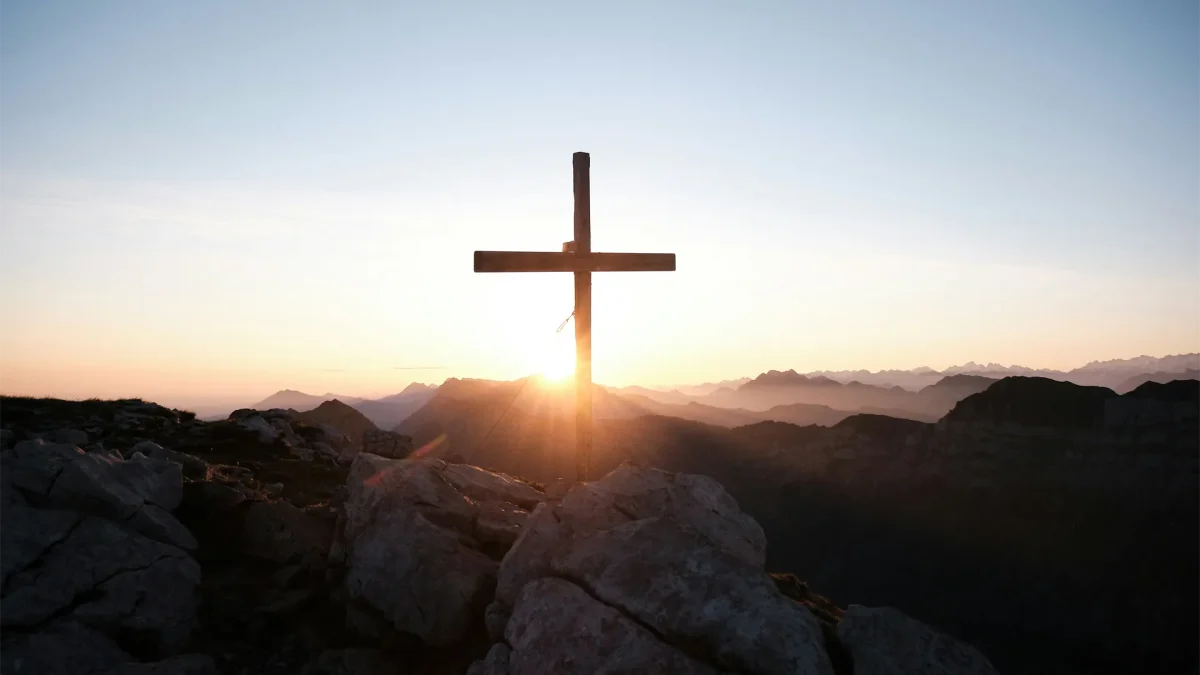
To be at the foot of the cross is usually seen as laying down one’s sins and transgressions. Two other hymns come to mind, “Near the Cross” and “The Old Rugged Cross.” Both of these hymns demonstrate this quality of celebrating the cross, “In the cross be my glory ever” and “I’ll cherish the old rugged cross, till my trophies at last I lay down”. These are good responses and help me to understand how Jesus has redeemed me. However, this song has a very different response: Trembling. This would be the actual response if any of us were to actually experience the crucifixion. Grief and loss cause us to tremble and… nothing. There is nothing else to do but tremble. This song reminds us of the pain that actually accompanies death by placing ourselves at the scene of it. The final difference between being at the foot of the cross in this song versus others is the outcome. In the other two hymns I mentioned, the end result has been accomplished, Jesus has died yes but he has come back and we view the cross as our ransom, our saving grace instead of the pain and death it caused. It gives a powerful perspective that I really only get one day a year without this song: Good Friday.
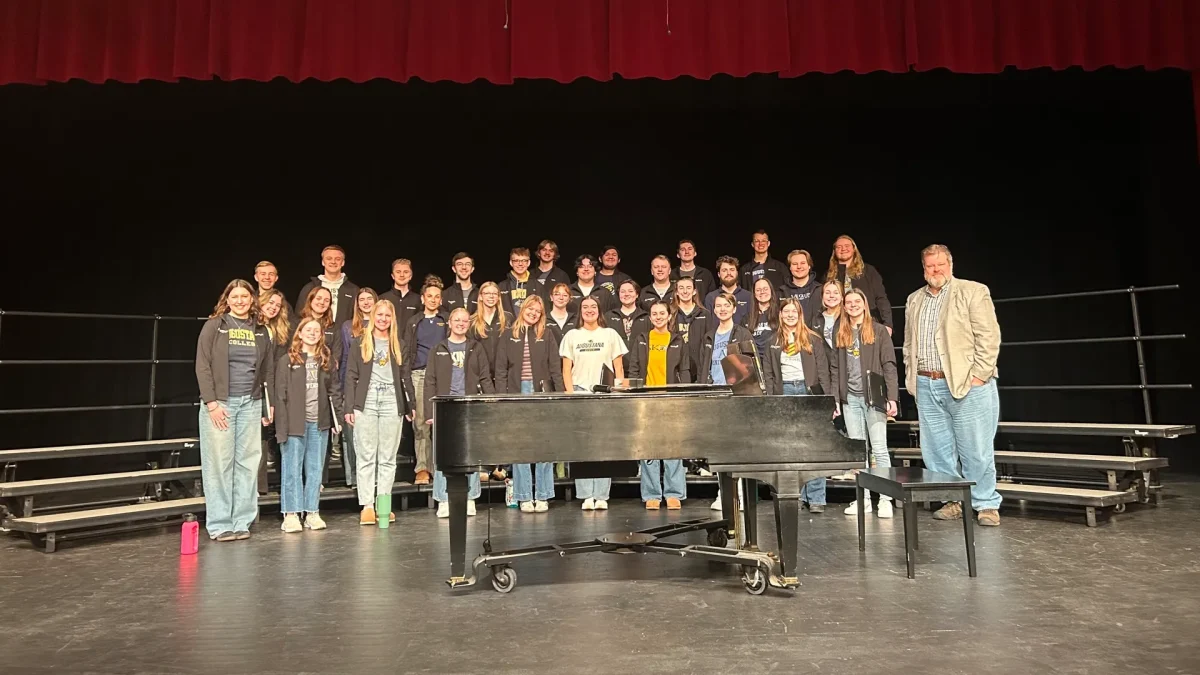
I first remember hearing these words around six years old at a Good Friday service. It was sung from the balcony by a rich alto voice and pierced through the sanctuary. The song is sung every year at the end in total darkness and then Sunday morning we arrive in darkness to celebrate the resurrection. The Good Friday service is my favorite every year. It almost makes me feel like I’ve earned Easter in a way. Allowing myself to be put in the space of those who actually went through Jesus’ death is powerful. On Good Friday, there is no hope, there is no life, there is only death, pain, and suffering. This heaviness is not a place to dwell for the whole year. We say Christ is Risen because it is still true. For three days though, I think it’s necessary. This song transports us into a place where we are vulnerable, where I am vulnerable. It reminds me of the death I have experienced in my own life and the comfort I required then and now. During our performance of this piece in St. Paul, MN I know this was shared with others. That is the power of this song. The power to share it with those who haven’t heard. Who haven’t felt the love of God and what he suffered for us on the cross.
I was wrong earlier when I wrote this song is different from others that put us at the foot of the cross. In a way, it still is in its simplicity but two things connect. The first is it is in a major key, the entire time we sing of crucifixion and death we sing major chords. This juxtaposition adds to the emotional weight of the song and its impact. However, there is one thing that truly connects: the fourth verse of this song which I have never actually sung and is missing from this piece. A simple question filled with hope:
“Were you there when God raised him from the tomb?”
Bjorn is from Fargo, ND and is majoring in biochemistry and psychology.